
Oak vs. Walnut vs. Maple vs. Cherry: Choosing the Best Wood for Your Custom Project
EXCERPT: A practical comparison of popular hardwoods used by Origin Woodworks, highlighting stability, color, grain, and best-use scenarios for live edge tables, countertops, and shelves.
*This article was made with AI and edited by a human.
Oak, walnut, maple, and cherry each bring a distinct personality to custom live edge and made-to-order furniture. For a St. Louis workshop that leans into modern-rustic design, the choice of wood shapes how a piece feels, how it wears over time, and how it ages with you. Below is a concise, customer-focused guide to these four species and how Origin Woodworks uses them in pieces like dining tables, countertops, coffee tables, floating shelves, and charcuterie boards.
1) Oak- Red or White
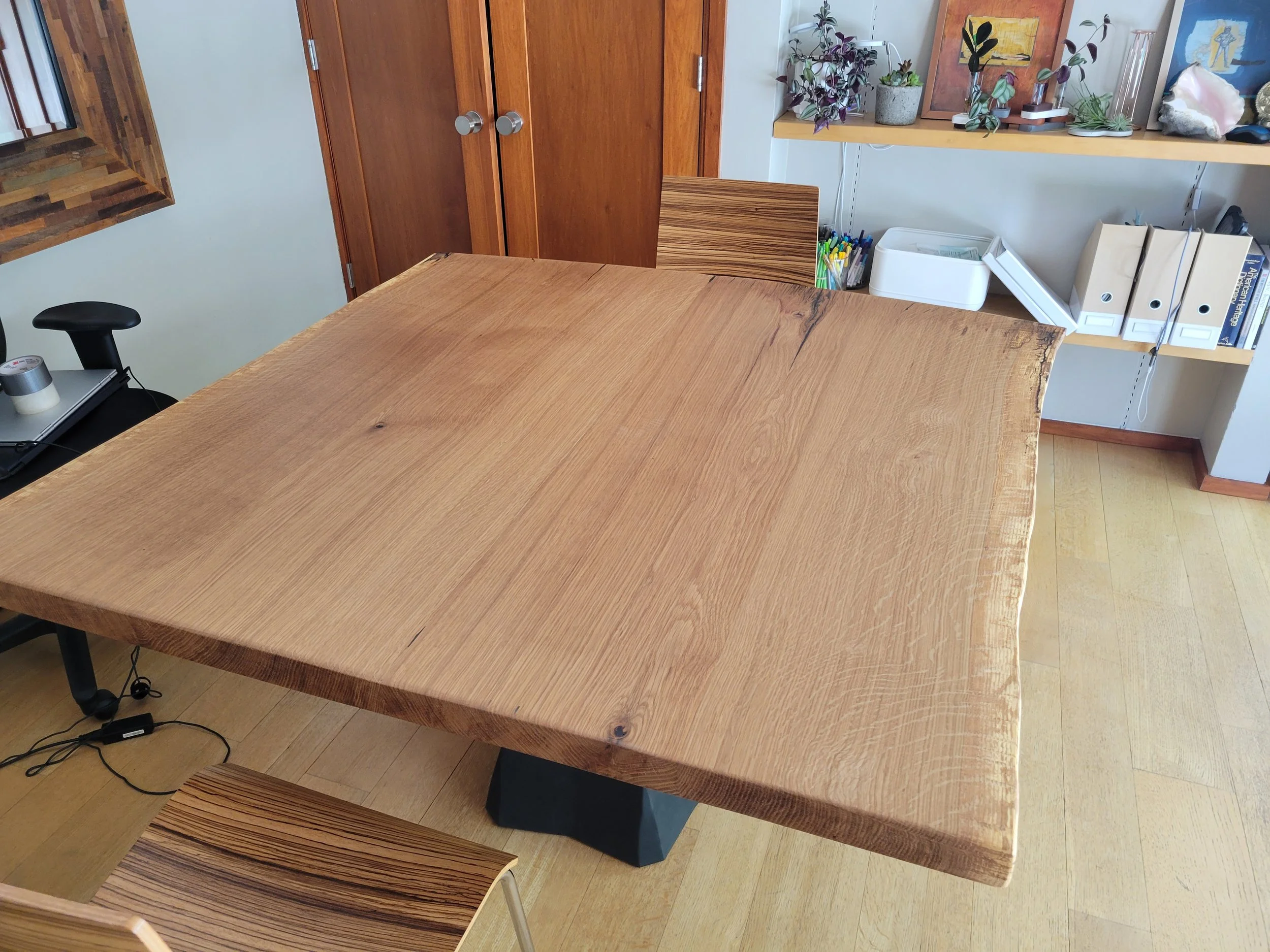
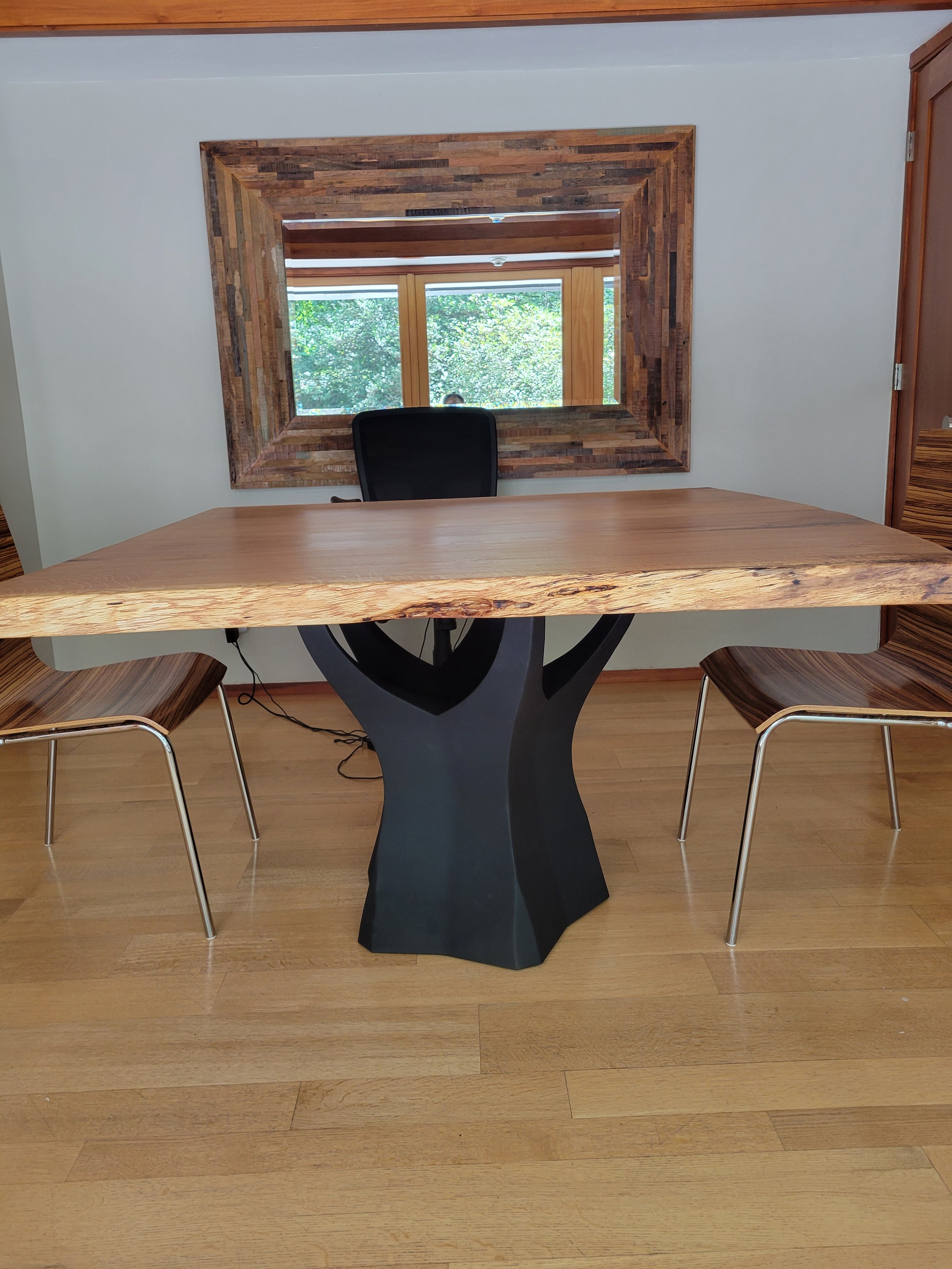
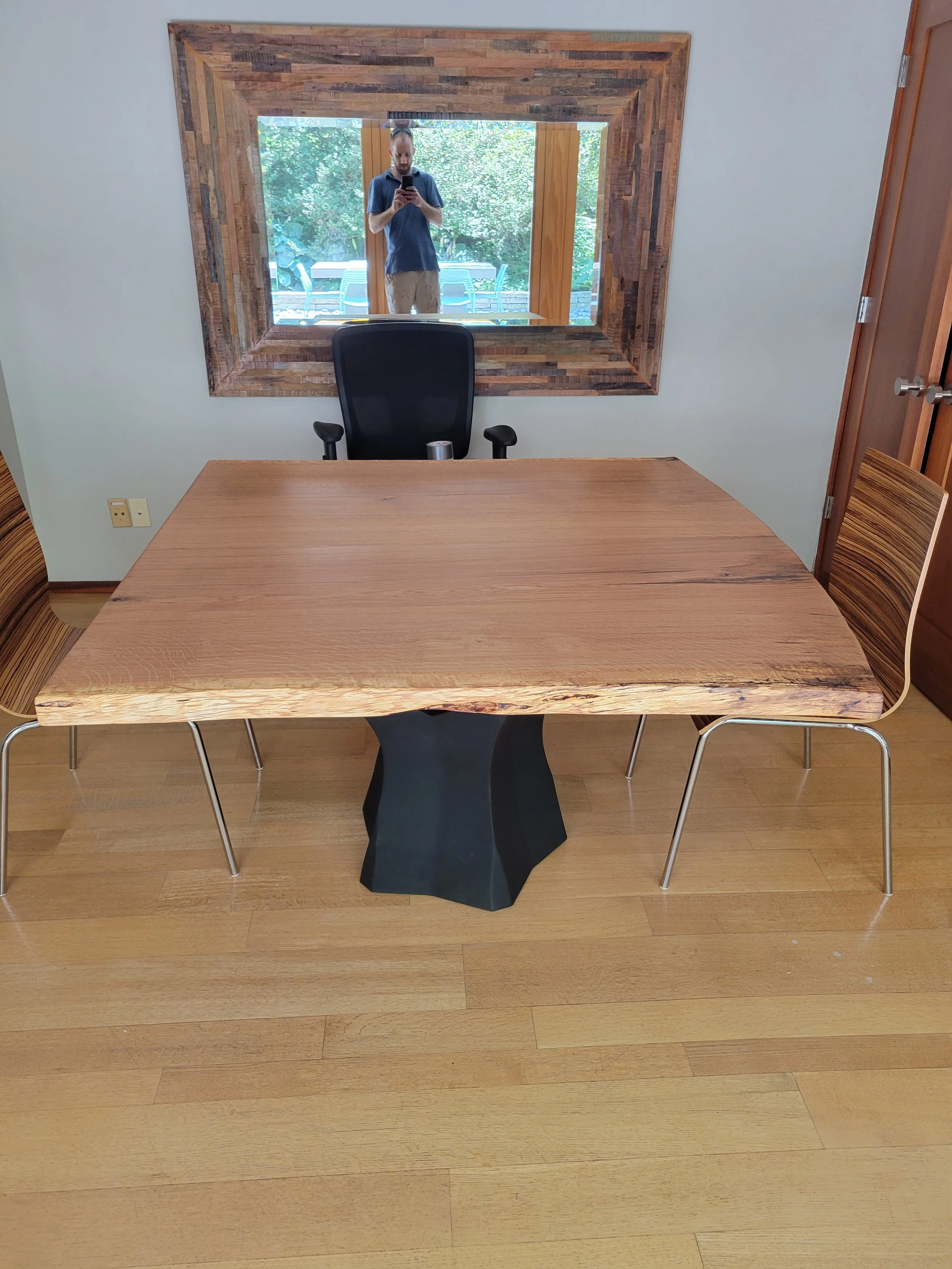
- Character and color: Typically light to medium brown/red with prominent grain; can range from warm to rustic in appearance.
- Workability and stability: Solid, dependable workhorse that machines well and takes finishes evenly. Tight growth rings can yield strong, durable panels ideal for larger tables or shelf spans.
- Best-use ideas: Great for a neutral, timeless tabletop or shelf system that pairs with various room styles. See examples of oak-influenced projects such as oak-based dining configurations and shelves on our shop pages.
- Why Origin Woodworks users choose oak: It harmonizes with Missouri-grown timbers and modern-rustic aesthetics, offering a versatile backdrop for other design elements.
2) Walnut
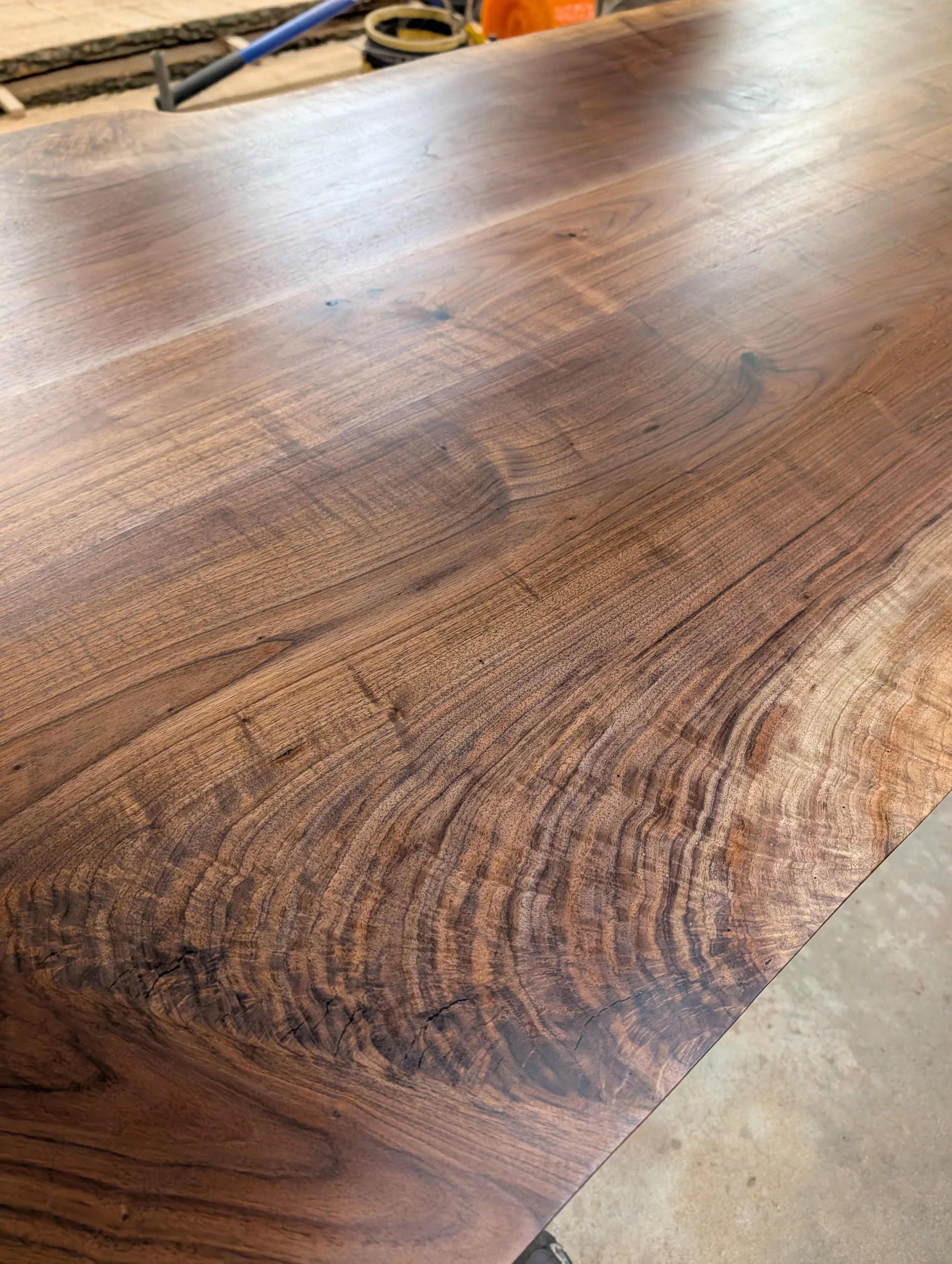
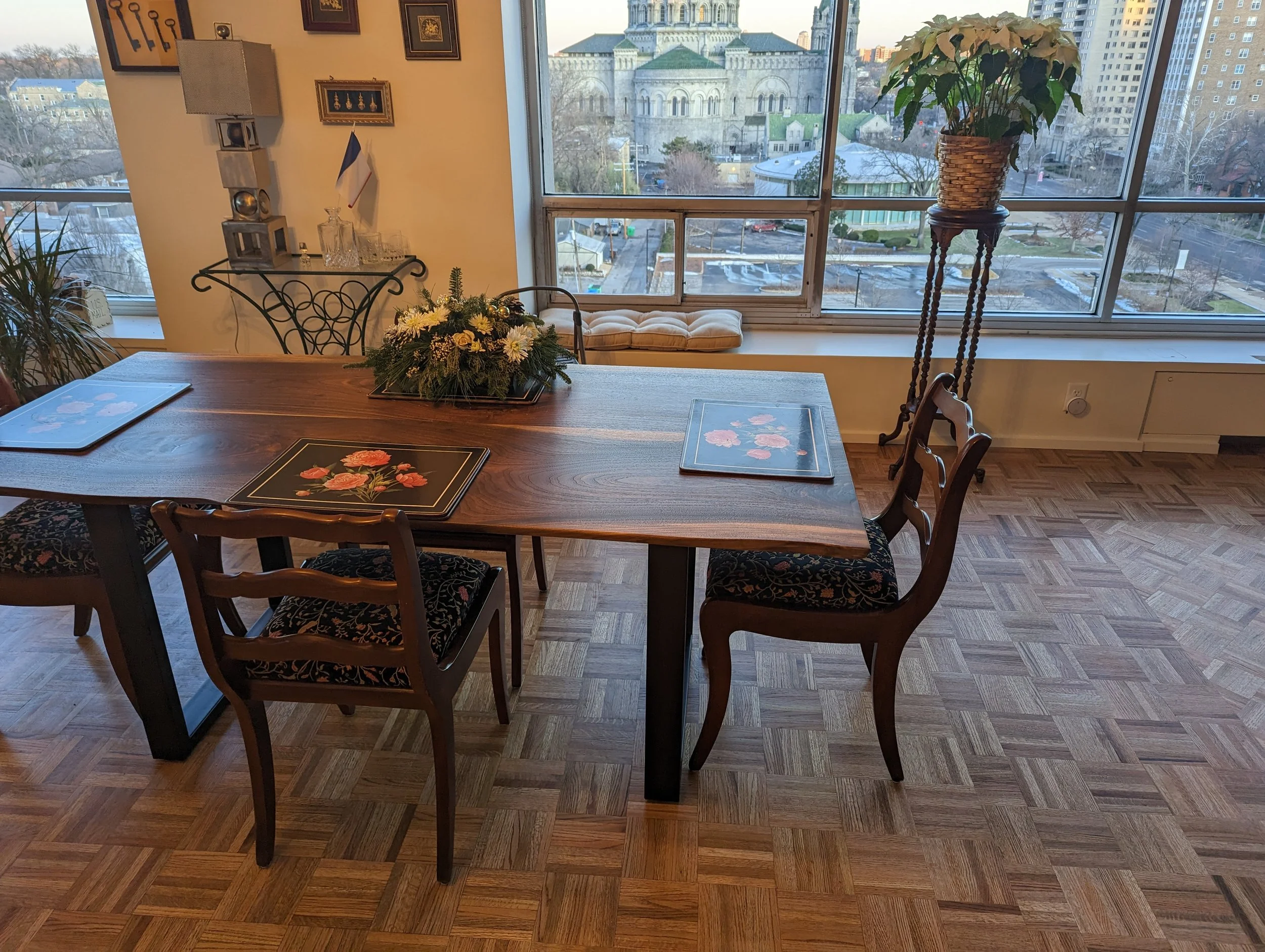
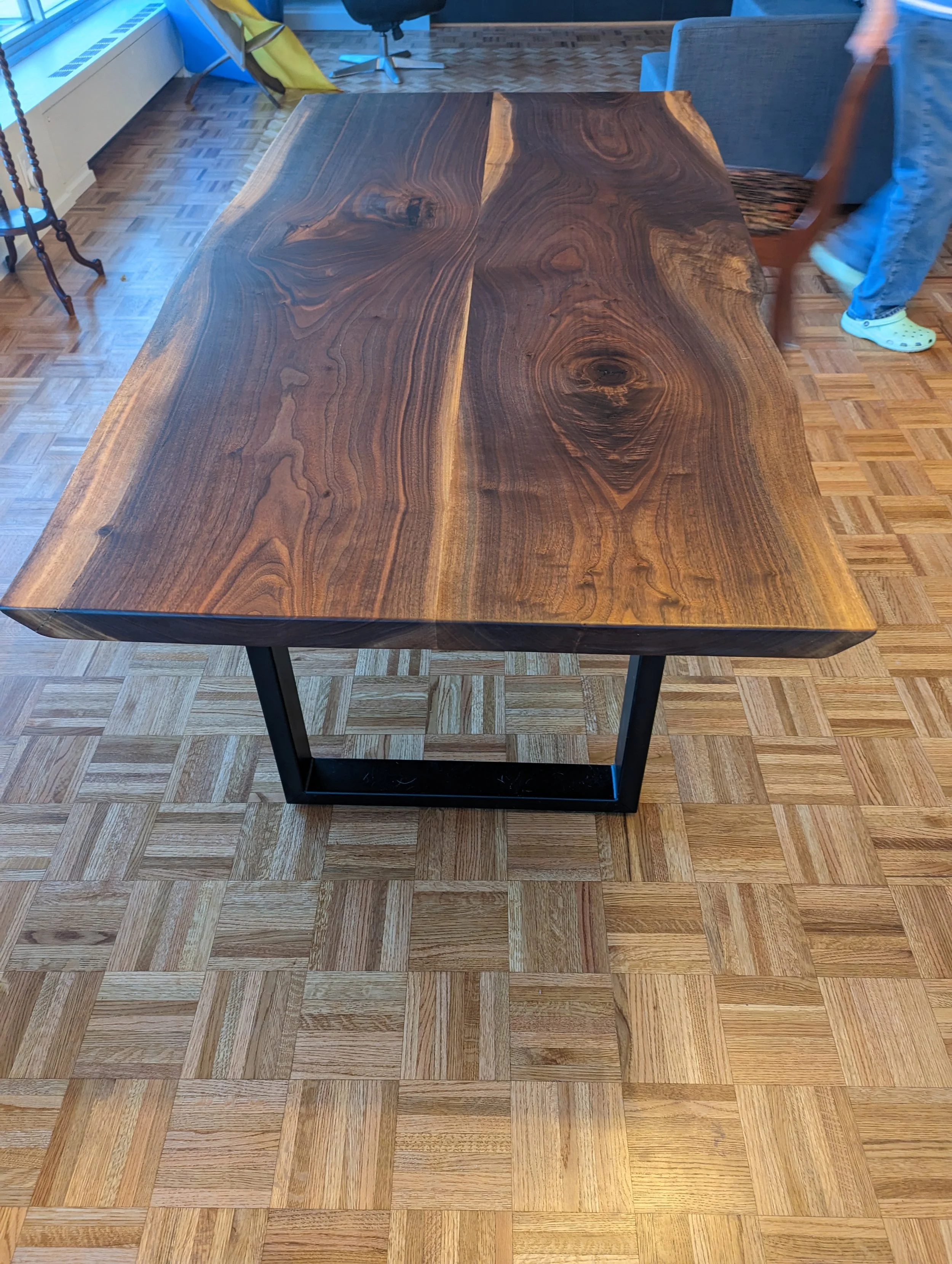
- Character and color: Rich, dark chocolate to lighter browns with striking figure and depth; a premium wood in live edge pieces. There is a reason this is the #1 seller for Origin Woodworks!
- Workability and stability: Excellent workability with superb natural luster when finished; holds detailed edges well and ages gracefully.
- Best-use ideas: Walnut shines on countertops, dining tables, and charcuterie boards, delivering a warm, statement-making presence. It is the #1 choice for River City Dining Table and walnut countertops in our catalog.
- Why Origin Woodworks users choose walnut: High-end warmth and contrast that elevate both modern and rustic interiors; frequently paired with other Missouri timber accents.
3) Maple
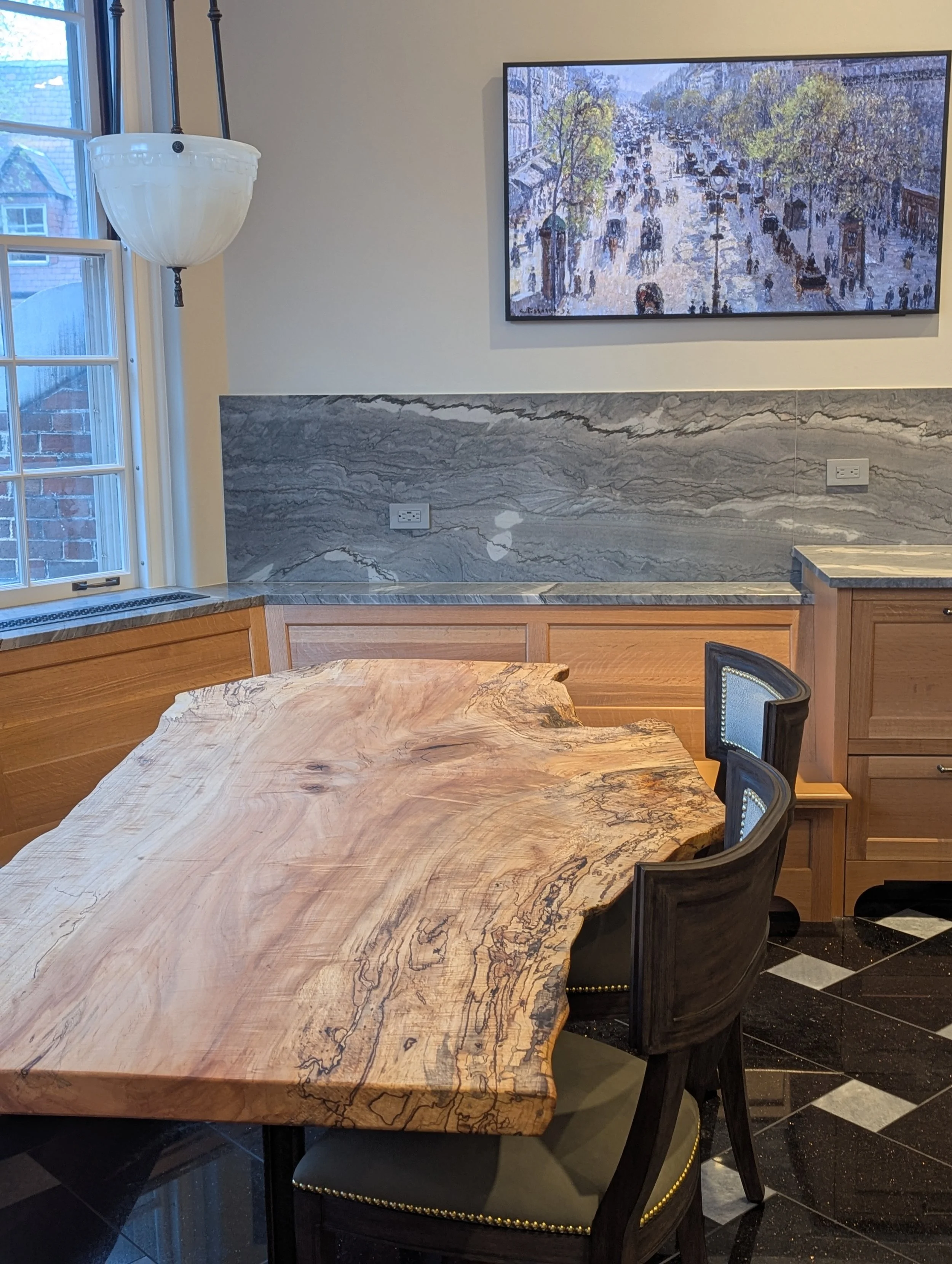
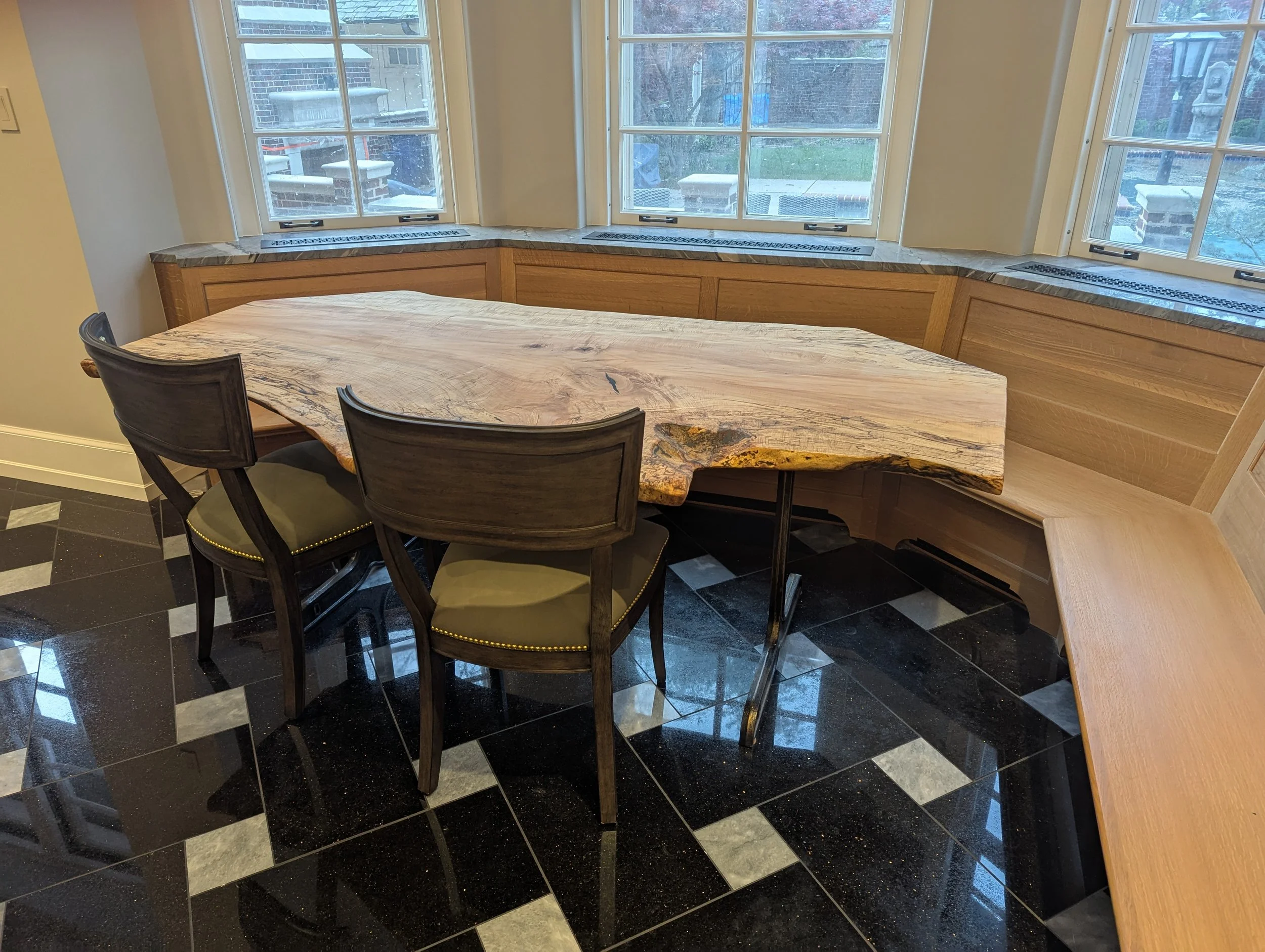
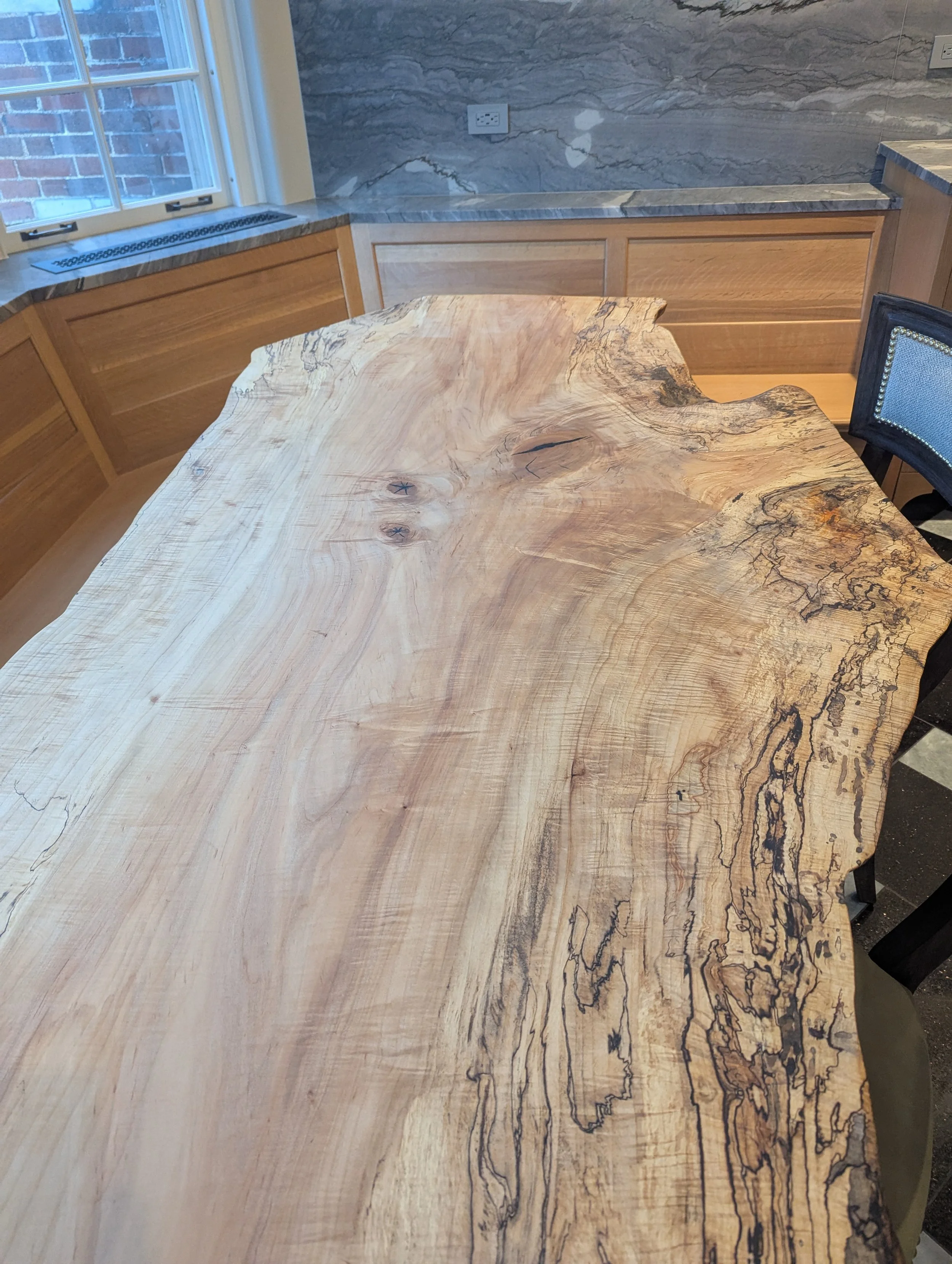
- Character and color: Light, creamy to pale blond with a subtle grain; a brighter counterpoint to darker woods. Amazing potential for unique grain spalting and figuring.
- Workability and stability: Very solid and easy to work; Maple can highlight a clean, contemporary look in coffee or dining tables.
- Best-use ideas: Maple works beautifully for lighter-toned dining tables, coffee tables and end tables where a brighter canvas is desired.
- Why Origin Woodworks users choose maple: For a lighter, airy feel that still showcases natural live-edge character and durability.
4) Cherry
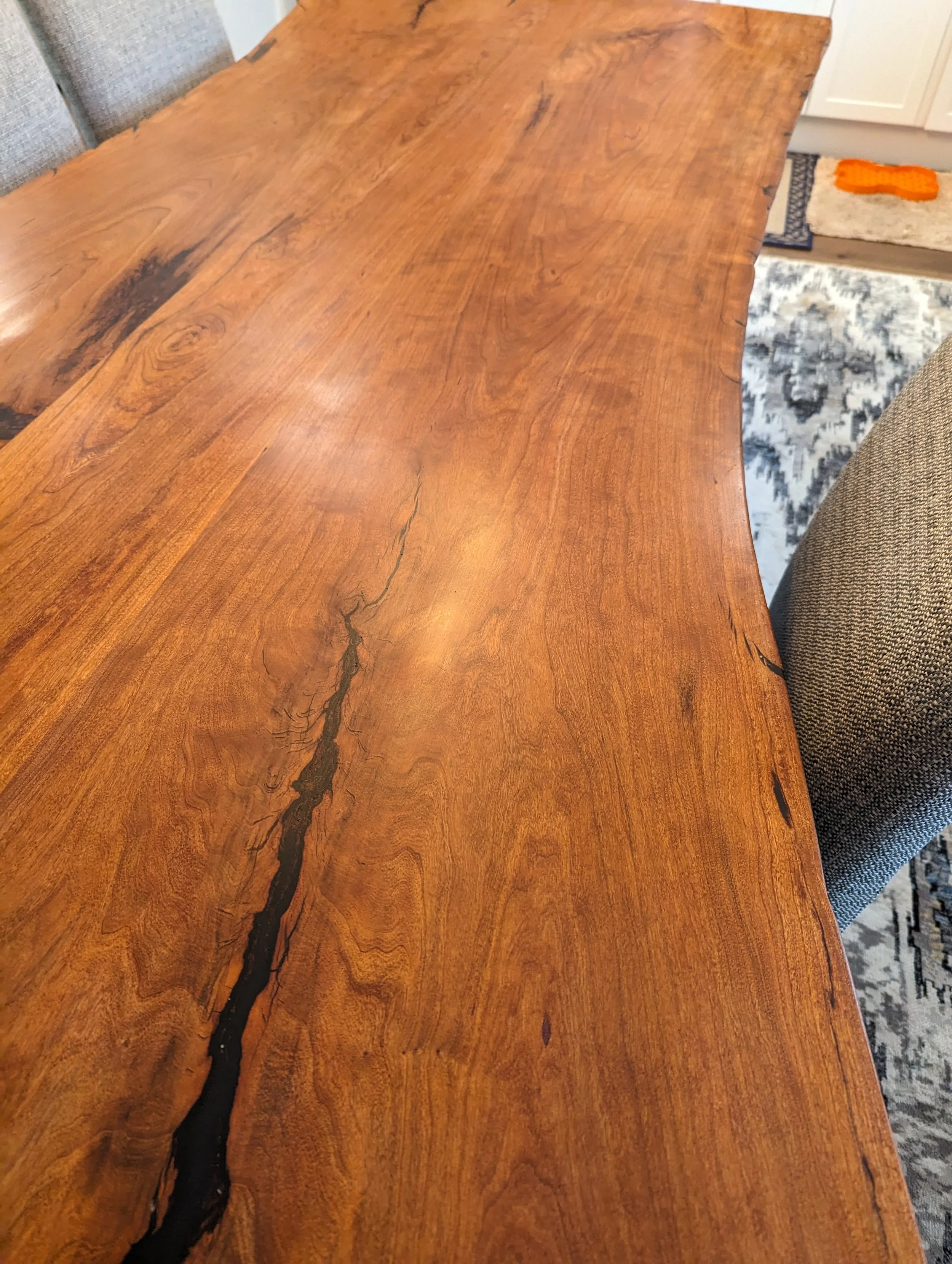
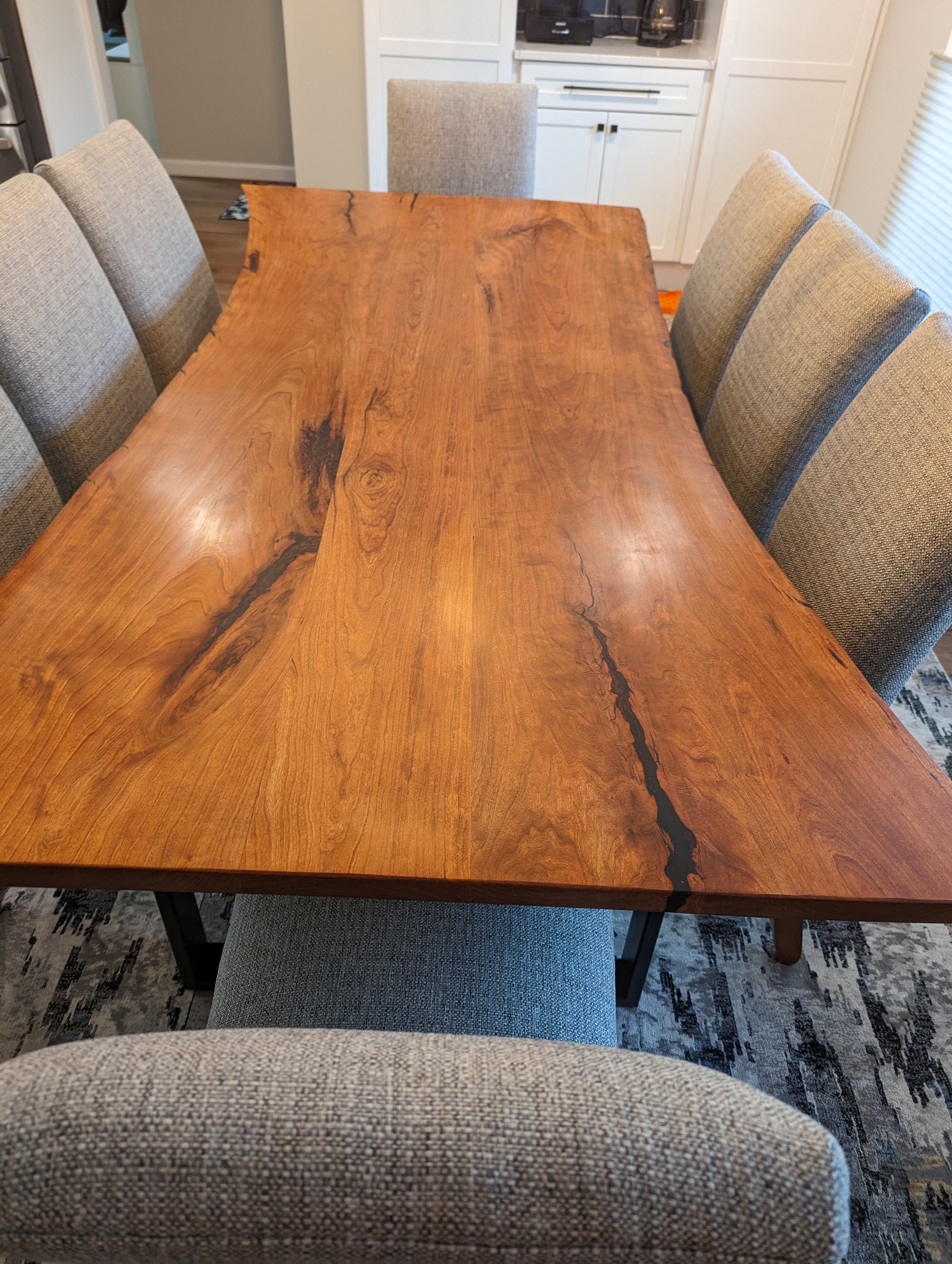
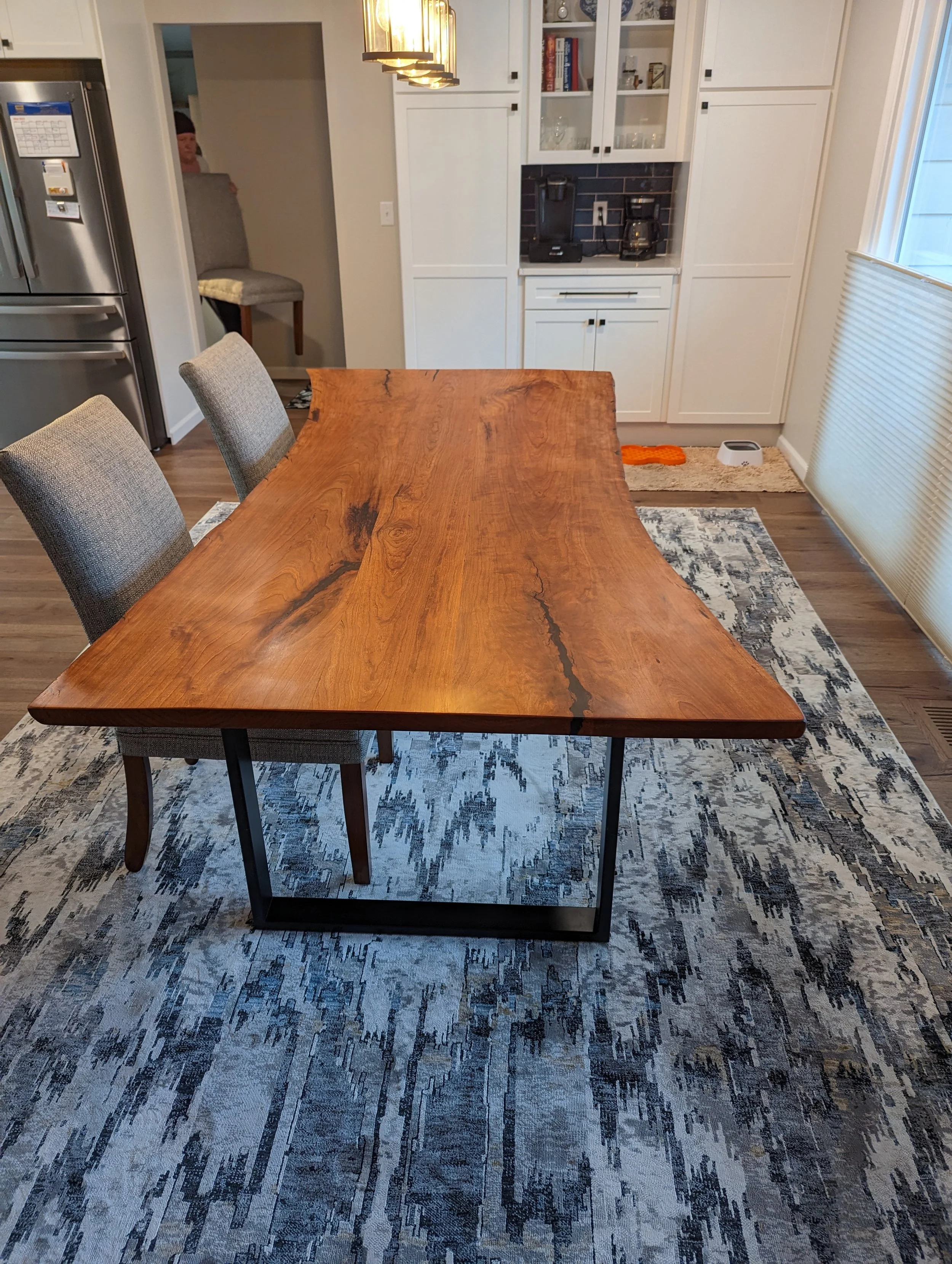
- Character and color: Warm amber to reddish-brown tones that deepen with age; smooth grain and refined appearance. If done right, this grain evokes flame!
- Workability and stability: Easy to work with and finishes smoothly; ages with a soft, elegant, darkened patina.
- Best-use ideas: Cherry is ideal for intimate dining tables, upscale coffee tables, and unique, durable shelving pieces that benefit from a rich, refined aesthetic.
- Why Origin Woodworks users choose cherry: A classic, timeless option that complements both traditional and contemporary spaces.
Practical how-to notes for customers
- Species and sourcing: Origin Woodworks prioritizes locally milled Missouri timber, supporting the local supply chain while delivering pieces with regional character. See our Our Story and Shop Online pages for context on material sourcing and a representative selection of species we commonly use.
- Finishes and protection: All pieces listed in our shop use durable finishes designed for daily use in homes, with polyurethane or oil-based (Rubio Monocoat) coatings as appropriate for the piece. See examples like The River City Dining Table and The Gateway Span Counter-Top for finish details.
- Made-to-order workflow: Each item is crafted to order, with typical lead times around 6-8 weeks (SUBJECT TO CHANGE) and delivery windows within the U.S. of 5–15 business days for most pieces.
Tips for choosing a wood species for your project
- Aesthetics: If you want a strong contrast with dark furniture and light walls, walnut or cherry can deliver drama; for a more neutral backdrop, oak or maple may be preferable.
- Use-case: Heavy-use pieces (dining tables, countertops) benefit from oak or walnut for durability and wear resistance; lighter use pieces (charcuterie boards, decorative shelves) can flex with maple or cherry depending on tone.
- Aging and patina: Cherry develops a warm patina over time; walnut retains rich depth; maple remains bright; oak deepens in grain with age.
- Local connection: Choosing Missouri-sourced species reinforces local craftsmanship and sustainability goals highlighted on our Our Story page.
Conclusion
Selecting the right wood species for your Origin Woodworks piece influences tone, durability, and the way the piece ages with your space. Whether you lean into the warmth of walnut, the classic patina of cherry, the brightness of maple, or the versatility of oak, we tailor each made-to-order project to your design goals and living space. For more inspiration, explore our live-edge dining and coffee tables, countertops, and shelving to see how these species look in real-world applications.